Agent from beginner to mastery
Execution over chat. Artifacts over answers.
Field deck / 2026
Working systems for builders
Not a chat box. An execution system.
01 / model
Reason
02 / tools
Act
03 / skills
Repeat
04 / QA
Verify
Hermes matters when model output becomes inspectable work: files read, commands run, checks passed, and results written back.
read -> act -> check -> write back
The first win is not scale. It is one reliable loop.
Start with one real task.
A beginner path should end with an output the user can inspect, not a vague feeling that the agent is configured.
01 / install
Hermes
Make the runtime start reliably.
02 / setup
Provider
Configure the model and credentials outside the deck.
03 / doctor
Doctor
Run environment checks before trusting output.
04 / artifact
Deliver
Produce a file, report, or next action.
Tools decide the execution boundary.
Without tools, an agent can suggest. With tools, it can read, act, verify, and deliver.
Without tools
Suggest
With Hermes
Execute
Read
Files, docs, repo state.
Run
Commands and local checks.
Write
Artifacts and reports.
Skill layer
Package experience into reusable workflows.
01 / trigger
When Hermes loads it
02 / inputs
What the user provides
03 / steps
What SKILL.md defines
04 / boundary
What requires confirmation.
05 / checks
How output stops being a draft
06 / delivery
Files, paths, reports, next steps.
Hermes needs context it can act on.
Context is not storing everything. It is reducing repeated explanation and stabilizing decisions.
Layer 01 / repo
Project memory
README, architecture, commands, decisions, constraints.
Layer 02 / run
Task state
Brief, route, current changes, blockers, acceptance checks.
Layer 03 / user
Working preference
Language, style, risk tolerance, delivery habits.
Agent teams
Complex work needs separated responsibility.
The point is not parallelism for show. The point is accountable handoffs.
brief -> artifact -> review -> publish
Hermes skill
Design Agent
Hermes tools
Build Agent
Hermes QA
QA Agent
Hermes release
Deploy Agent
Workbench outcome
Make agents part of the desk.
Mastery means the workflow compounds: small loops, tool access, reusable skills, project context, and visible QA.
Hermes edition
Execution systems compound.
01
Start with one real loop.
02
Give the agent tools.
03
Package wins as skills.
04
Keep QA visible.
GPT Image 2 material
Generated atmosphere can replace generic placeholders.
Use Image 2 for non-textual mood, cover texture, and visual evidence where exact labels are not required.
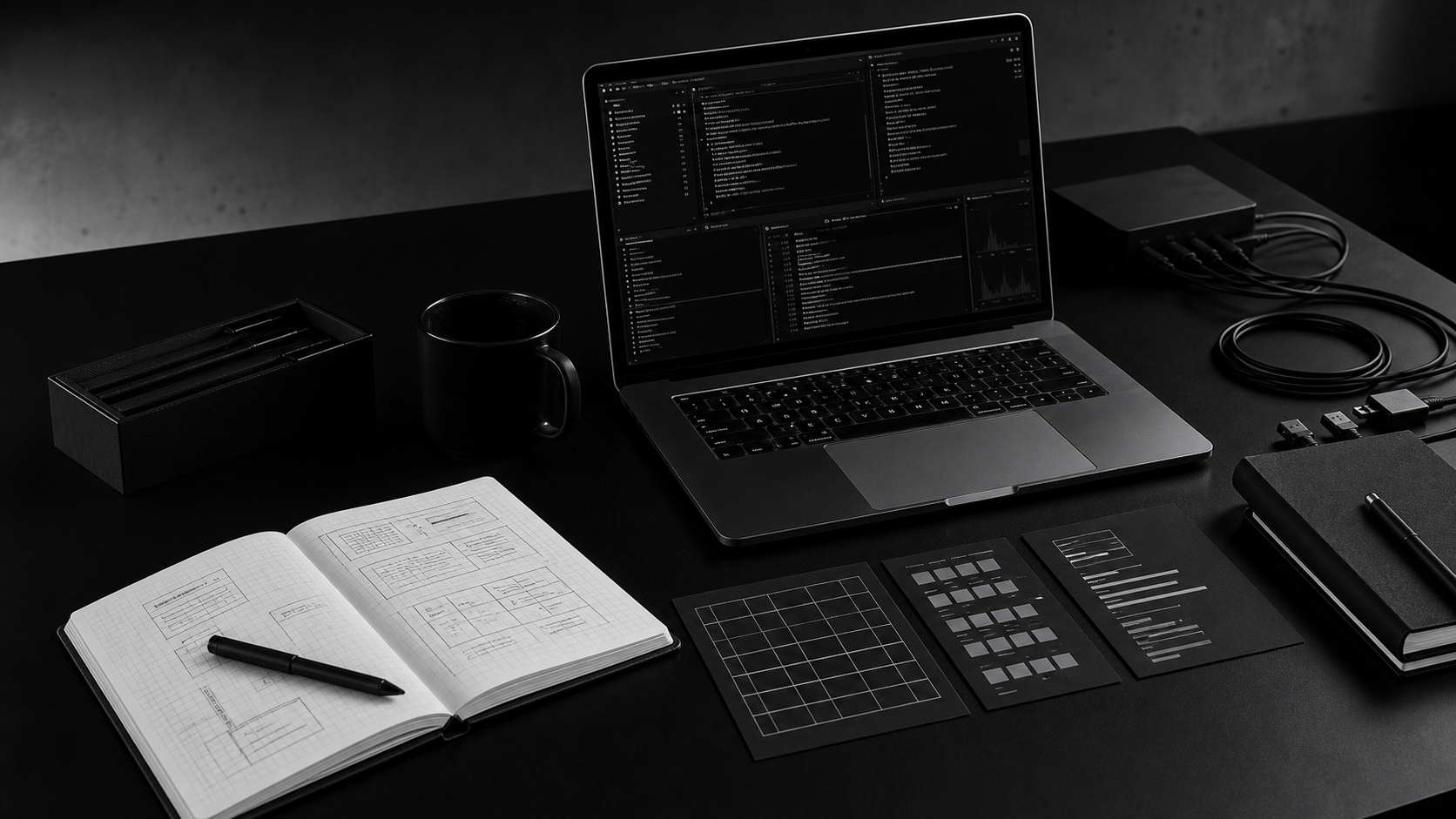
Producer
GPT Image 2
Prompt constraint: no readable text, no logos, no people. The deck keeps exact words in HTML, and lets the bitmap carry atmosphere.
Remotion material
Motion should explain the loop, not replace the slide.
This is a rendered MP4 from Remotion, embedded as a material test before presenter mode.
The clip animates read -> act -> check -> write back in Neo-Grid form. Presenter/deploy can later decide whether to keep video playback or use the poster fallback.
Output
MP4 + poster
Closing loop
Hermes mastery is a working system.
The end state is not a better chat session. It is a repeatable operating path: Hermes can understand the project, use tools, call skills, verify work, and hand off to specialist agents.
01 / start
Run one real Hermes task.
02 / package
Turn the repeated win into a skill.
03 / remember
Keep project context and QA visible.
04 / scale